PhotoCardMagic

The Complete Guide to Custom Greeting Cards

How to design, time, and order personalized photo cards for every occasion — birthdays, anniversaries, holidays, sympathy, and thank-yous

The Complete Guide to Custom Greeting Cards

Last updated: 2026-04-27 — Next refresh: October

A custom greeting card is a 5x7 folded card with a personalized photo or photo-derived art on the front and a custom inside message. The "custom" framing covers the entire spectrum of personalization: photorealistic literal photos, photos restyled into one of 29 art styles (watercolor, oil painting, anime, pop art, sketch), custom inside messages of up to 250 characters, and bulk orders with consistent design across hundreds of cards. This guide covers how to make every one of those decisions for every major card occasion.

What "Custom Greeting Card" Means

The phrase "custom greeting card" describes a card built around a specific recipient or moment, not a generic illustrated card with a personalization slot. The custom card has three pieces:

  1. A personalized front. A photo printed as a literal photo or restyled into an art style. The front carries the visual weight of the card — what the recipient sees first when they open the envelope.
  2. A custom inside message. Up to 250 characters of typeset text on the right inside panel, plus a blank left panel for handwritten signature. The inside message converts a generic acknowledgment into a specific one.
  3. Heavyweight cardstock with envelope. 5x7 folded format, full-bleed printing on the front, satin or matte finish, A7 envelope included. The physical quality of the card is non-trivial — it's the difference between a card the recipient frames and a card that gets read once and tossed.

PhotoCardMagic's custom greeting card is $9.99 for a single card with envelope. Bulk pricing tiers drop the per-card price to $4.99 at 5 or more and $3.99 at 25 or more. The single-card price is the entry point for thoughtful one-off gifts (a friend's birthday, an anniversary card to your partner); the bulk tiers are for wedding thank-yous, baby shower thank-yous, holiday cards, and any occasion where a single design goes to a list of recipients.

Picking the Right Photo

The photo decision is the first and most consequential decision in a custom greeting card. The pattern that works varies by occasion, but the underlying rule is consistent: the photo should reference the recipient's relationship to what's being commemorated.

For Mother's Day cards, the photo should reference what makes the recipient a mother — usually a photo of the kids or the family. For anniversary cards, the photo should reference the relationship — usually a couples photo or wedding photo. For thank-you cards, the photo should reference the event being thanked — usually the wedding or shower being acknowledged. For sympathy cards, the photo should be of the deceased.

Source-photo quality matters less than people expect. Phone photos with motion blur, harsh lighting, or busy backgrounds restyle into perfectly good cards in the watercolor and oil painting styles, both of which are forgiving of imperfect input. The photorealistic style rewards a sharper original — color correction and sharpening can fix a lot, but the AI can't add detail that isn't there.

What does not work as source photo material: photos with sunglasses or face paint, photos taken in deep shadow, photos with subjects partially hidden by other people or objects, photos with extreme close-ups (face fills the entire frame), and photos with heavy filters or color casts the AI has to fight.

The free preview workflow exists specifically to test source photos. Upload, restyle, look at the preview. The first three previews are free with no signup or credit card. If the preview looks wrong, regenerate with a different photo or try a different style.

Picking the Right Style

The style decision changes the tone of the card more than the photo decision does. The same photo restyled in watercolor reads as gracious; in Pop Art, it reads as design-conscious; in Pop Art, it reads as comedic; in Photorealistic, it reads as literal.

The style/occasion mapping that works:

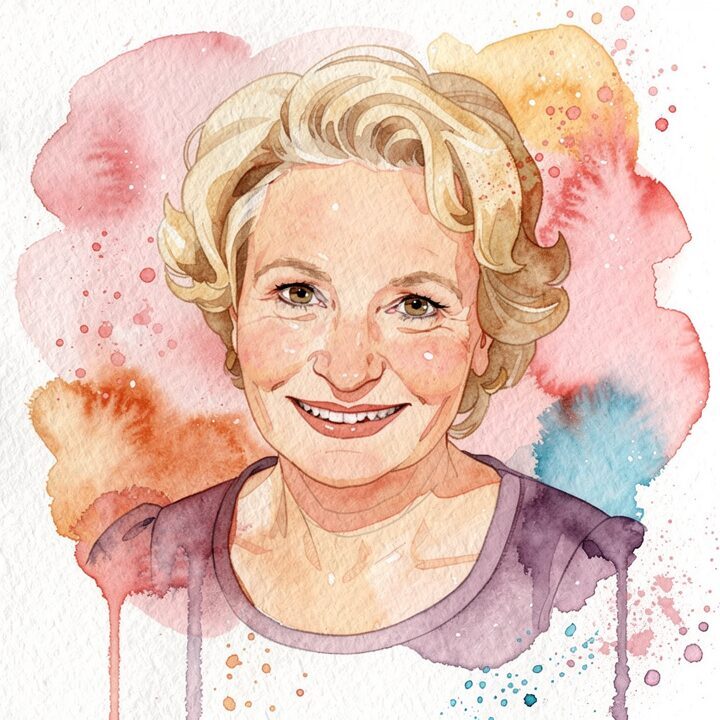
Watercolor — the universal default. Soft, gracious, hard to mis-pick. The right answer for thank-you cards, anniversary cards, sympathy cards (human bereavement), Mother's Day cards, baby shower cards, and any card where you can't predict the recipient's taste.

Oil Painting — old-master gravitas. Right for milestone anniversaries (25th, 50th), Father's Day cards for traditional dads, Christmas cards for senior family members, milestone birthday cards (40, 50, 60), and any card where the recipient values formal or classical aesthetics.

Watercolor — hand-painted florals around the subject. Right for baby shower thank-yous, wedding thank-yous, Mother's Day cards for moms with refined taste, and personalized holiday cards (the most-ordered holiday card style on PhotoCardMagic).

Photorealistic — the literal photo, color-corrected and sharpened. Right for graduation cards, baby announcements, professional family photos that don't need restyling, and cards where the photo itself is the point.

Pencil Sketch — minimal and modern. Right for editorial-aesthetic recipients, sympathy cards from acquaintances, and corporate thank-you cards.

Birthday Caricature, Pop Art, Comic Book Hero, Action Figure, Yearbook 90s, Pop Art — the comedic styles. Right for birthday cards (especially adult friend birthdays), Father's Day cards for dads with a sense of humor, and any card where the joke is the point. Avoid for sympathy, anniversary, thank-you, and Mother's Day cards — these styles read tonally wrong against gracious-acknowledgment frames.

Vintage Film Noir — black-and-white moody portrait. Niche but powerful. Right for film-buff Father's Day cards, milestone-birthday cards for adults with a vintage aesthetic, and design-conscious cards where the recipient leans grayscale.

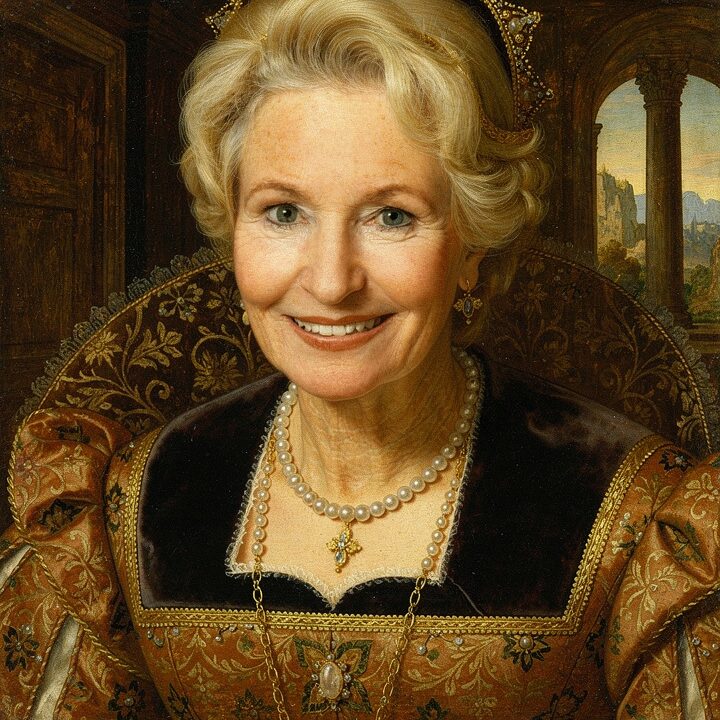
Renaissance — the playful-classical option. The recipient as 17th-century aristocracy. Right for milestone anniversary cards (10, 25, 50), gag birthday cards, and gift exchanges where the joke is the elevated framing.

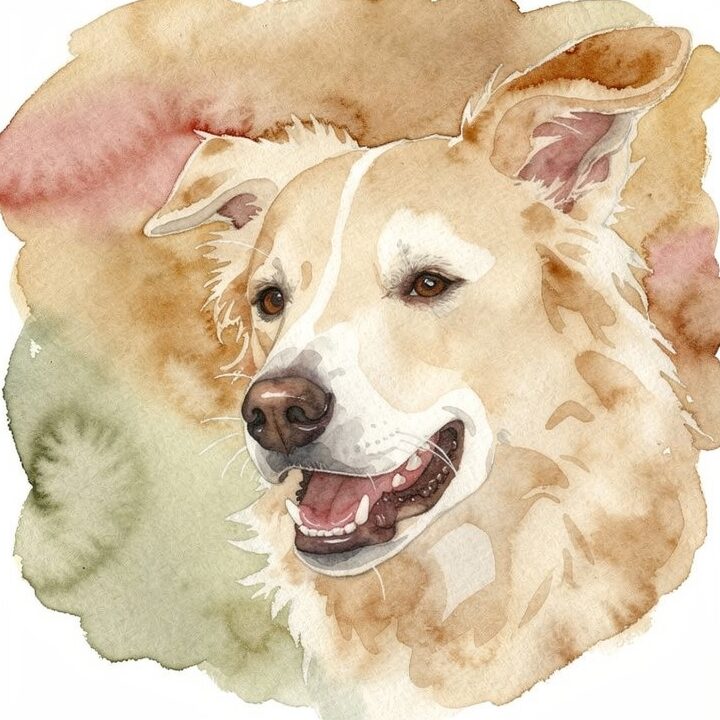
Pet styles (Watercolor Pet, Oil Painting Pet, Pencil Sketch Pet) — for pet sympathy cards, pet birthday cards, and any card featuring a pet as the subject. The pet-tuned styles handle fur texture, eye reflections, and breed-specific features that the human styles don't.

Writing the Inside Message

The inside message is the entire emotional weight of the card. Up to 250 characters printed in clean serif on the right inside panel; left panel blank for a handwritten signature. The custom inside message is what separates a great card from a generic one — the photo and style get the recipient to engage with the card; the inside message determines whether they keep it or toss it.

The pattern that works across nearly every card occasion:

Be specific. Not "thank you for the gift" but "thank you for the cast-iron skillet — Sarah and I have used it three times this week." Not "happy birthday" but "happy birthday from the year we drove to Vegas in your dad's old Camry." Specific detail proves you're addressing this recipient and not a category of recipients.

Reference one shared moment, trait, or memory. A specific detail — a thing the recipient said, did, taught you, or shares with you — converts the card from "I remembered your occasion" to "I remember you." The detail can be small. It can even be funny.

Skip the platitudes. "You deserve all the best," "your generosity means so much," "you're the best mom/dad/friend in the world" all read as Hallmark-default language. They land as form-letter content even when the rest of the card is custom. Replace platitude language with specific gratitude or specific roasting.

Hand-sign the left inside panel after the card arrives. The printed serif on the right carries the visual weight; the handwritten signature carries the personal weight. For sympathy cards specifically, a fully-handwritten inside (both panels) lands better than a printed-plus-signature combination — the handwriting itself is part of the gesture.

Match the tone to the relationship. Don't write a sentimental inside message to a college friend with whom your relationship is comedic; don't write a comedic inside message to your mother-in-law unless you know that frame is welcome. The style of the card front and the tone of the inside message should match.

Occasion-by-Occasion Playbook

The major card occasions, with the right style, photo, and inside-message pattern for each:

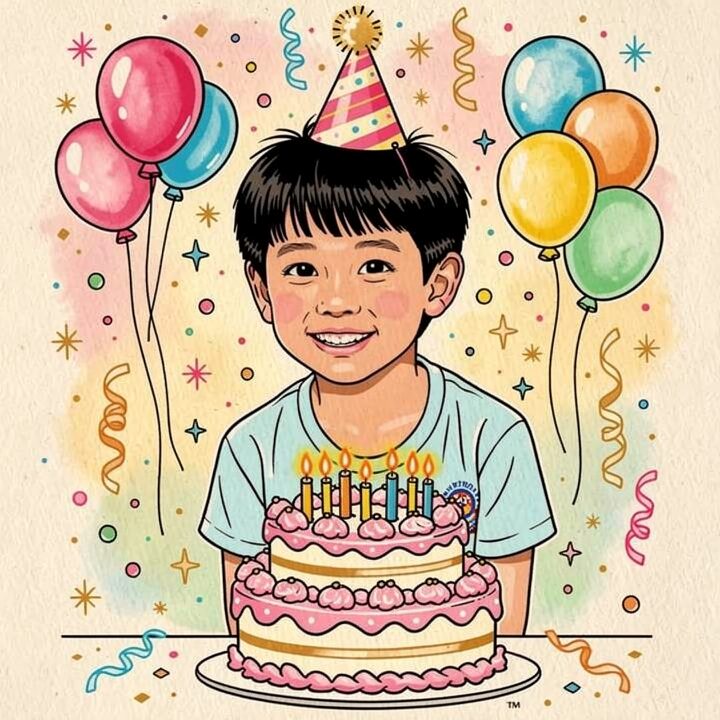
Birthday cards. Adult friends: Birthday Caricature, Pop Art, or Comic Book Hero with a comedic specific-memory inside message. Adult relatives: Watercolor or Oil Painting with a sentimental specific-gratitude inside message. Kids: Comic Book Hero, Action Figure, or Pixar with the kid's name and age called out specifically.

Mother's Day cards. Watercolor or Watercolor. Photo of the kids or grandkids. Inside message references one specific thing she did. Order by May 3 for guaranteed pre-Mother's-Day delivery in 2026.

Father's Day cards. Oil Painting, Vintage Film Noir, or Pop Art. Photo of a shared activity (fishing, sports, working on a car) or a throwback shot. Inside message references one specific thing he taught you. Order by June 14 for guaranteed pre-Father's-Day delivery in 2026.

Anniversary cards. Watercolor for non-milestone years, Oil Painting for 25th and 50th, Renaissance for playful milestone framing. Wedding photo or couples portrait. Inside message specifies the year and references one shared moment from the past year.

Wedding thank-you cards. Watercolor or Watercolor. First-dance or formal couples portrait. Inside message names the specific gift or gesture and references how you'll use it. Send within three months of the wedding.

Baby shower thank-you cards. Watercolor (the floral aesthetic matches most baby shower visual themes). Baby photo (post-birth) or ultrasound photo. Send within four to six weeks of the shower.

Christmas cards. Oil Painting for traditional households, Watercolor for younger families, Watercolor for design-conscious recipients. Recent family group photo in coordinated neutrals. Inside message includes a year recap and a forward-looking line. Order by December 12 for guaranteed pre-Christmas delivery.

Personalized holiday cards (non-Christmas). Watercolor or Watercolor. Same family photo rules as Christmas cards. Inside message stays non-denominational unless the entire mailing list celebrates the same holiday. Useful for interfaith mailing lists, corporate cards, and households that don't celebrate Christmas.

Sympathy cards. Watercolor (universal default), Pencil Sketch (quiet/minimal), Oil Painting (long-life gravitas). Photo of the deceased from a healthy time. Send two to three weeks after the loss. Name the deceased specifically and reference one trait or memory; avoid platitudes.

Graduation cards. Photorealistic with the graduate's photo, or a sentimental Watercolor. Inside message specifies the achievement and references a quality the graduate will need next.

Birth announcements. Photorealistic with the baby's photo, or Watercolor for a soft interpretation. Birth announcement copy goes inside (name, date, weight, length); a separate handwritten note goes on the left inside panel for personal recipients.

Bulk Pricing and Shipping Timing

Bulk pricing kicks in at 5 cards. $9.99 for 1–4, $4.99 each for 5–24, $3.99 each for 25 or more. All cards in a single bulk order print from the same source photo, style, and inside message. The bulk tiers are designed for occasions where one design goes to a mailing list — wedding thank-yous, holiday cards, baby shower thank-yous, milestone-event announcements.

Pre-addressed envelopes are available as a bulk-order upgrade at $0.50 per envelope. Upload a CSV of recipient names and addresses; the envelopes print pre-addressed and arrive ready to mail. For bulk orders of 30+ cards, the pre-addressed-envelope upgrade is the right call — addressing 30 envelopes by hand is an evening of work; the upgrade adds $15 to the order.

Standard US shipping for orders up to 50 cards is three to seven business days. Larger orders (100 or more) take five to ten business days. Expedited shipping is two to four business days; Overnight is available at checkout for last-minute orders.

The major calendar-occasion order-by dates for 2026:

  • Mother's Day (May 10): Order by May 3 with Standard, May 6 Expedited, May 8 Overnight.
  • Father's Day (June 21): Order by June 14 with Standard, June 17 Expedited, June 19 Overnight.
  • Hanukkah (Dec 4–12): Order by November 27 with Standard.
  • Christmas (Dec 25): Order by December 12 with Standard, December 18 Expedited, December 22 Overnight.
  • Bulk Christmas orders (50+): Order by December 5 with Standard.
  • Bulk Christmas orders (200+): Order by November 27 with Standard.

Don't push the order-by dates. Same-day printing happens for orders placed by 3pm PT, but Standard shipping still takes three to seven business days from print. The Overnight tier exists for the "I forgot" tier; use it when you have to, but it adds $30 to the order.

Frequently Asked Questions

How much does a custom greeting card cost?
$9.99 for a single 5x7 folded card with envelope. Per-card price drops to $4.99 at 5 or more and $3.99 at 25 or more.
What's the safest style for a custom greeting card?
Watercolor across nearly all occasions and recipients. Pencil Sketch is the alternative for sympathy cards; Oil Painting is the alternative for Father's Day and milestone-anniversary cards.
How long do custom greeting cards take to ship?
Three to seven business days with Standard US shipping for orders up to 50 cards. Five to ten days for larger bulk orders. Expedited and Overnight available at checkout.
Can I write a custom inside message?
Yes. Every card includes a custom inside message of up to 250 characters, printed in clean serif on the right inside panel. Left panel stays blank for handwritten signature.
Can I order multiple cards from the same photo?
Yes — and bulk pricing applies. $4.99 each at 5+, $3.99 each at 25+. All cards print from the same source photo, style, and inside message.
Are envelopes included?
Yes. Every card includes a coordinating A7 envelope. Pre-addressed envelopes are available as an upgrade at $0.50 per envelope (CSV upload of recipient addresses).
What size are the cards?
5x7 folded — the standard premium-greeting-card size. Heavyweight cardstock, satin or matte finish, full-bleed printing on the front. Flat 5x7 cards (postcard-style, no fold) are also available at the same price.
Can I generate a free preview?
Yes. The first three previews are free with no signup or credit card. Each preview takes about 60 seconds. Useful for testing source photos and style choices before committing to print.
What's the difference between a "custom" and a "personalized" greeting card?
None. Both phrases describe the same product — a 5x7 folded card with a personalized photo on the front and a custom inside message. "Custom" emphasizes the build-it-yourself workflow; "personalized" emphasizes the recipient-specific framing.

Ready to start?

Turn your photo into a portrait

Three free previews. No credit card required.

Start your portrait

Last updated: 2026-04-27