The Complete Guide to Photo-to-Painting
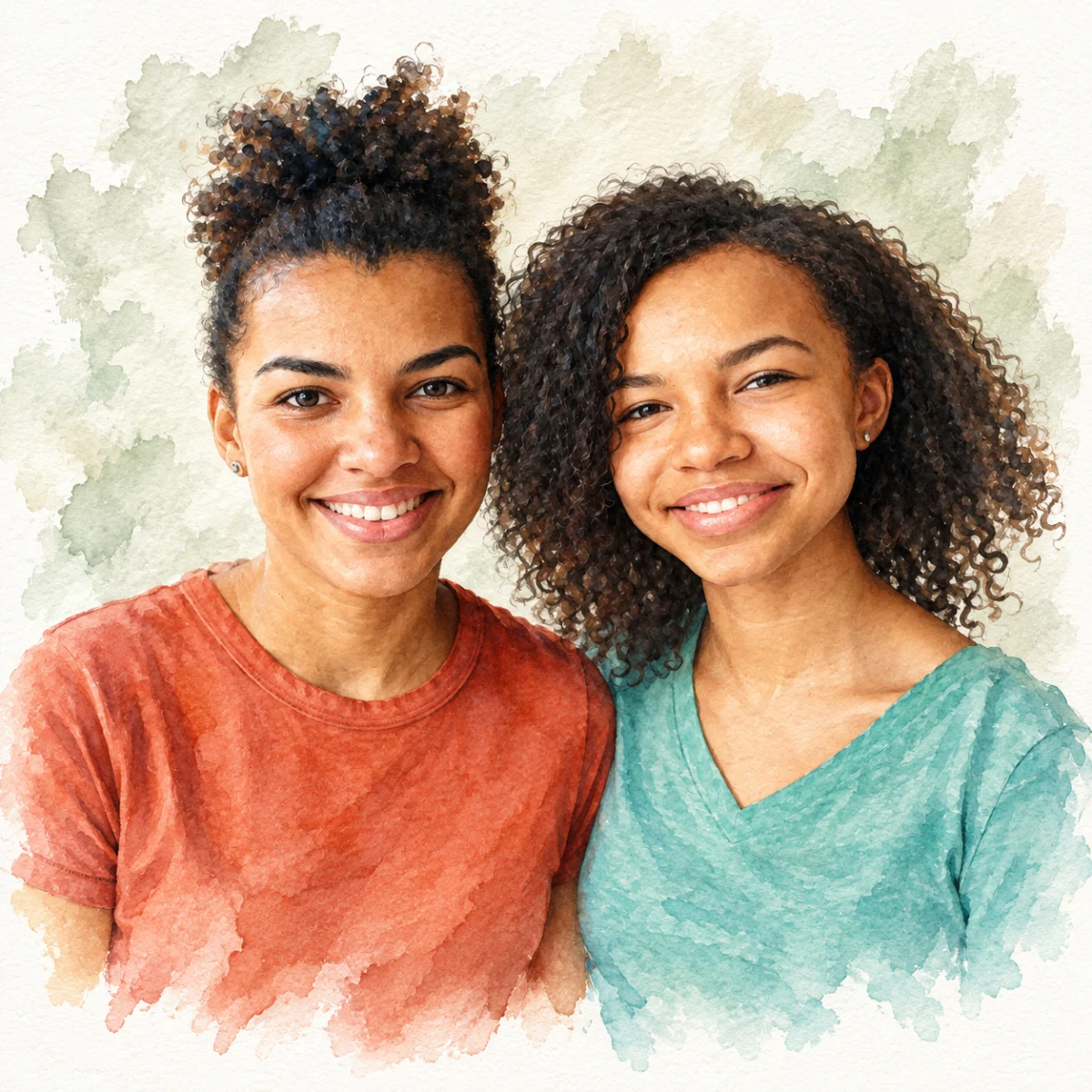
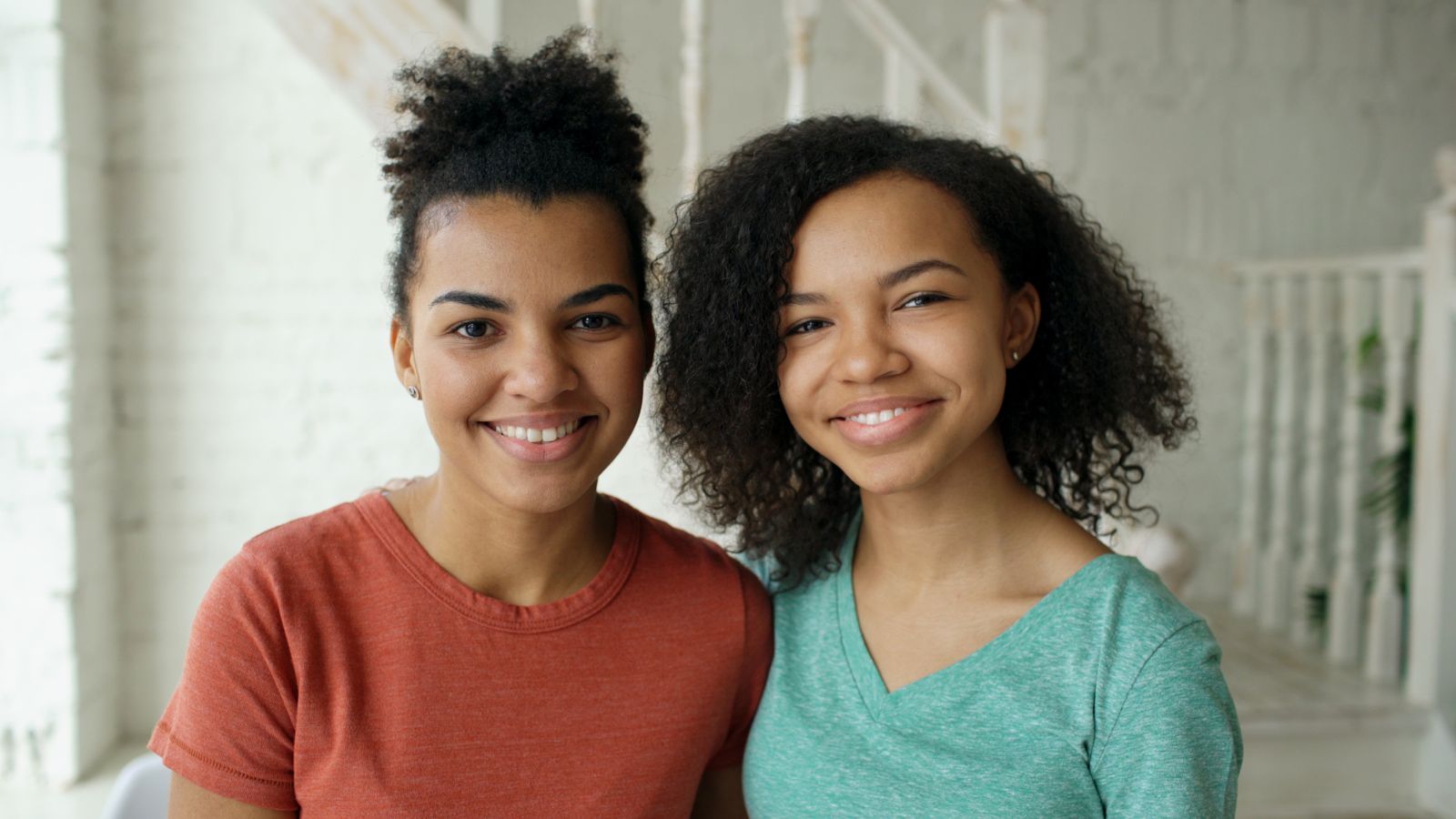
How photo-to-painting works, which style fits your photo, and how to choose a printed gift
Free preview No account needed Order when you love it
How photo-to-painting works, which style fits your photo, and how to choose a printed gift
Last updated: 2026-09-22 — Next refresh: August
Photo-to-painting turns a favorite photo into artwork with a watercolor, oil painting, sketch, or other art-inspired look. This guide explains how to choose a style and photo, when a preview-based portrait may suit the gift, and how to pick a print format.
What "Photo to Painting" Actually Means
Modern photo-to-painting photo-to-art styling takes a phone photo as input and produces a painted artwork as output. The conversion is interpretive: the styling reads the source photo, decides how to render brushwork, palette, substrate texture, and lighting in the chosen style, then outputs a painted image where the subject's identity is preserved while the rest of the image is fully restyled.
The styles aim for the look of painted media. A watercolor portrait can show soft washes, visible brushwork, and paper texture; an oil-painting style can show thicker brushwork and warmer shadows. The result is generated art, not a hand-painted original. Preview your own photo to decide whether the finish and likeness feel right.
The trade is in cost, speed, and accessibility. You can preview a generated portrait before paying, then choose a printed format and size at its current listed price. Check the delivery estimate at checkout when ordering for a specific date.
PhotoCardMagic's styles aim to preserve the details that make the people or pets in a photo recognizable. Generated results vary, especially with blurry or crowded photos. Look closely at faces, markings, and subject count in the free preview before choosing a print.
When Photo-to-Painting Beats Commissioning a Painter
Photo-to-painting may suit these situations:
When time is the constraint. A wedding next month, an anniversary in two weeks, a memorial gift that needs to ship before the family scatters. Commission timelines vary by artist, and preview times vary by photo and style. Compare both options early if you need a gift for a date.
When budget is the constraint. A first-anniversary gift, housewarming gift, or sympathy gift may call for different formats. Choose a card, mug, art print, or wall piece at the current product and size price shown before checkout.
When the source photo is imperfect. Phone snapshots with motion blur, harsh lighting, or busy backgrounds become better art when restyled by photo-to-art styling than when sent to a human artist who would either fix the source flaws (additional cost) or produce a portrait that inherits them. Watercolor and oil painting styles in particular are forgiving of imperfect source material.
When the subject is a pet. A clear photo makes ear shape, muzzle length, coat pattern, and expression easier to recognize in the preview. Try a few pet-focused styles and choose the version that feels most like the animal.
When you want to test multiple styles. Previewing is free with no account needed. Try watercolor, oil painting, and pop art on the same source photo before committing to a product. With a human artist, you commit to one style up front.
If the recipient specifically wants an original hand-painted work, commission an artist. A human artist may also be a better fit for a scene that cannot be represented by a suitable source photo.
Picking the Right Style for a Photo-to-Painting
PhotoCardMagic offers curated art styles. Picking the right one matters more than picking the right product.
Painted styles — Watercolor, Oil Painting, Impressionist, and Botanical. Read as handmade and traditional. Watercolor is the safest universal pick for first-time users; oil painting is the gravitas pick; impressionist is the warm-light pick; botanical is the romantic-illustration pick.
Sketched styles — Pencil Sketch, Charcoal. Monochrome, minimal, quiet. Right for minimalist homes, memorial pieces, traditional offices, and portraits that need to coexist with existing black-and-white photography.
Stylized illustration — Pop Art, Anime/Studio Ghibli, Comic Book Hero, Pop Art, Action Figure. Bold, deliberate, conversation-starting. Right for kitchens, kids' rooms, playful gifts, and recipients with a sense of humor.
Classical-allusion styles — Renaissance, Renaissance Royal, Royal, Famous Painting. The subject as 17th-century aristocracy or as a famous painted figure. Right for couples or pets with a sense of humor about themselves.
Photographic-editorial styles — Photorealistic. Sharp, polished, modern. Right for modern homes, professional portraits, families who would book a photoshoot, and engagement portraits intended for save-the-date use.
For first-time users uncertain which style fits, watercolor is the default. A broadly approachable look across recipient types, ages, and home aesthetics.
Picking the Source Photo
The single biggest factor in photo-to-painting quality is the source photo. The conversion is forgiving but not magical. A great source produces a great result; a mediocre source produces a mediocre result.
The strongest source photos share four properties:
Eye-level, not from above. Most pet and portrait phone photos are taken from standing height. Eye-level photos produce dramatically better portraits. Crouch, sit, or lie on the floor to match the subject's eye level.
Natural light, not flash. Outdoor shade or near-window indoor light is ideal. Avoid flash, which produces hard shadows and weird eye reflections that cannot be cleanly corrected.
Subject as the clear single (or grouped) focus. A simple background — a couch, hardwood floor, grassy yard, plain wall — produces a cleaner final result than a busy living room with toys, food bowls, or other people in the background.
Sharp focus on the eyes. The eyes are where viewers find the subject. A sharp-eyed photo produces a portrait that feels alive. Burst mode (hold the shutter button) is your friend with kids and pets — take ten frames in a row and pick the sharpest.
If your existing photos do not meet these criteria, take fifteen minutes for an intentional photoshoot. The investment shows in the final printed portrait.
Picking the Product
The available printed formats determine how the portrait is used and where it sits. Choose from the current catalog after approving your preview.
Canvas wall art at 16×20 — the gallery default. Substrate texture mimics painted media. Right for above a couch, fireplace, or family-room wall. Works especially well with oil painting and Renaissance styles.
Framed print at 11×14 — the universal wall pick. Ships pre-framed. Right for hallways, entryways, and bookshelf-adjacent walls.
Framed print at 8×10 — the bookshelf-or-mantel scale. Right for memorial portraits, desk-side display, and bedside tables.
Acrylic print at 8×10 — the modern-home pick. Floats off the wall without traditional framing. Right for editorial-style photorealistic portraits.
Art print at 8×10 — a portrait ready for a frame you already own.
Mug at 11oz — daily-use under $30. Right for kitchens.
Greeting card at 5×7 — under $15. Real custom art at card prices.
Tabletop canvas at 5×7 — desk piece, no framing required.
Common Photo-to-Painting Gift Occasions
Photo-to-painting can suit these gift occasions:
Christmas — a personal gift-art occasion. Check the checkout delivery estimate early if you need the print for a specific day.
Mother's Day and Father's Day — children commissioning portraits of themselves or the family pet for parents.
Anniversaries and weddings — couple portraits scaled to the milestone.
Pet birthdays and pet memorials — pet-portrait art at every life stage.
Housewarmings — first-piece-of-art-for-a-new-home gifts.
Ready to turn a photo into a painting? Upload your photo, pick a style, and preview for free. Choose a printed format after you approve the portrait.
Frequently Asked Questions
How does photo-to-painting photo-to-art styling work?
Is photo-to-art styling photo-to-painting as good as a hand-commissioned painting?
What's the safest photo-to-painting style for a first-time order?
Will my face still look like me after the conversion?
Can I turn an old or low-quality photo into a painting?
What products can I print a photo-to-painting on?
How fast does photo-to-painting ship?
What if I'm not happy with the first preview?
Can I include multiple subjects in one painting?
How big can I print a photo-to-painting?
Is the digital file included?
Last updated: 2026-09-22