Pet Memorial Keepsakes: The Complete Guide
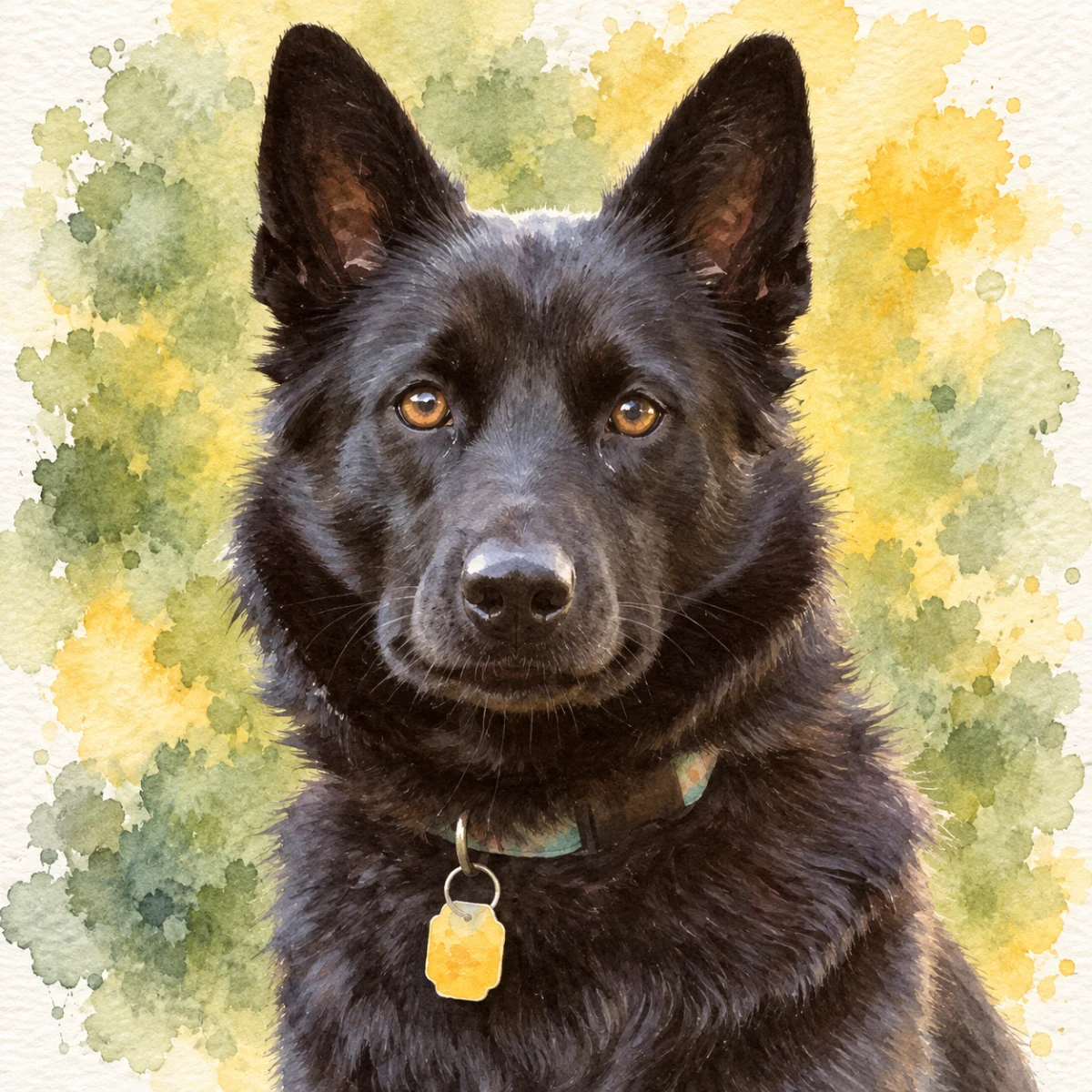
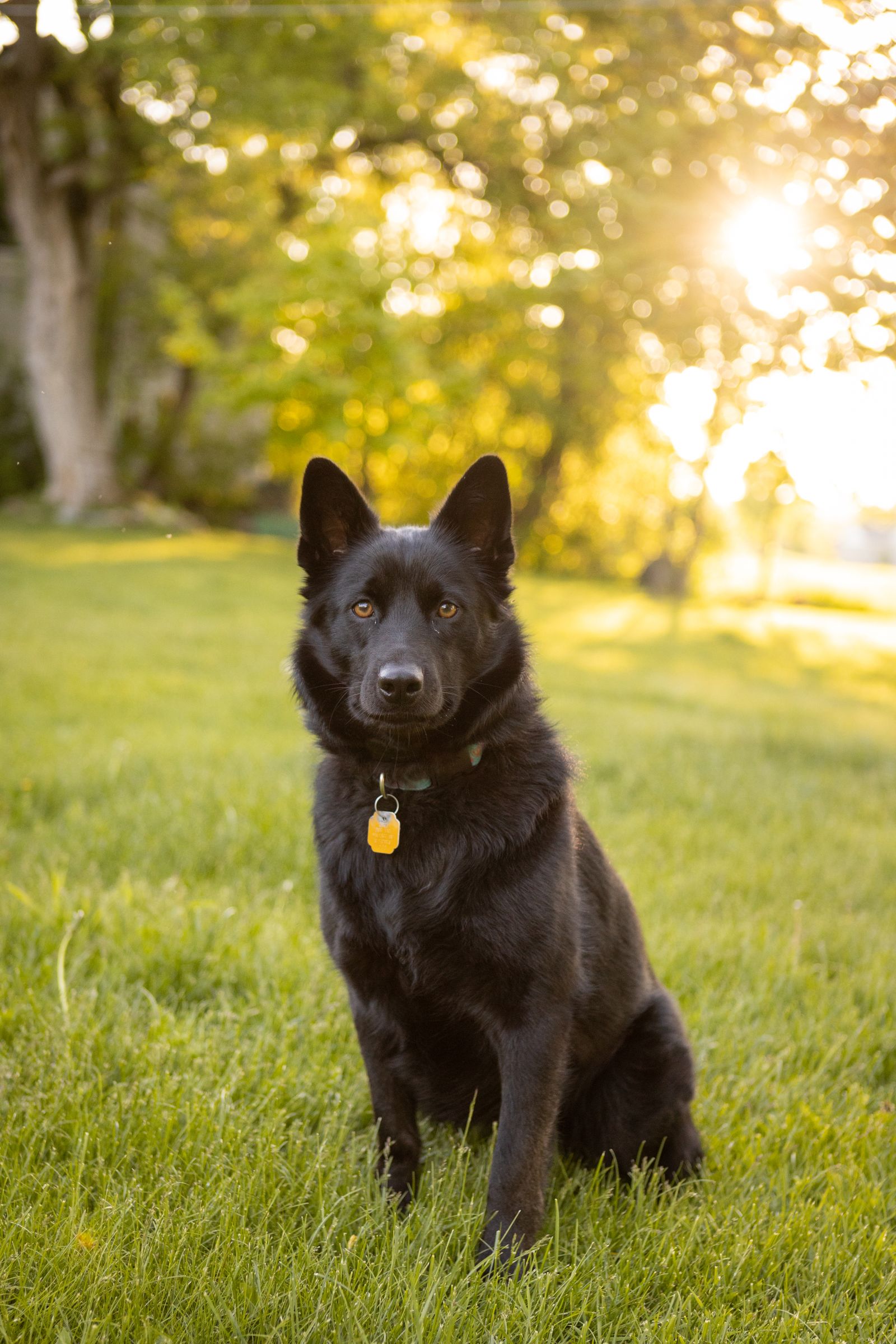
A thoughtful guide to memorial portraits, timing, and how to support a grieving pet owner
Free preview No account needed Order when you love it
A thoughtful guide to memorial portraits, timing, and how to support a grieving pet owner
Last updated: 2026-09-22 — Next refresh: October
A pet memorial keepsake is a physical item — a framed portrait, canvas, art print, or card — that honors a pet who has passed. This guide is for anyone choosing a memorial keepsake, either for themselves or as a sympathy gift. It covers how to pick a photo, choose a style, time the gift, and talk about pet loss with care.
What Is a Pet Memorial Keepsake?
Pet memorial keepsakes are objects that give grief somewhere to land. After a pet dies, the household is suddenly full of empty spots — the dog bed in the corner, the window the cat watched birds from, the bowl on the kitchen floor. Grieving pet owners describe these empty spots as the hardest part of the first weeks. A memorial keepsake takes one of those empty spots and fills it with something that honors the pet rather than reminding the owner of absence.
The most common format is a framed portrait. An 8×10 or 11×14 framed painting — watercolor, oil painting, or pencil sketch — of the pet, placed on a bookshelf, mantel, or bedside table. The portrait is not the same as a photograph. It is interpretive, softer, more reverent. The artistic rendering creates some distance between the owner and the rawness of a photograph, which is often what grieving owners need.
Other formats include canvas wall art for a larger display, an art print for a frame the owner already has, or a folded card with a personal note. Choose a format that fits the owner's space and the kind of remembrance they want.
Memorial keepsakes serve two purposes simultaneously. The first is remembrance — they give the owner a way to see the pet every day, which is what most bereaved owners want. The second is acknowledgment — when a friend or family member gives a memorial keepsake, they are publicly saying "I know this matters to you, and I am sorry." Pet loss is often minimized by people who have not experienced it, and a memorial gift is the opposite of minimization.
There is no single right way to remember a pet. Some owners want a portrait they see every day; others prefer a small piece they can keep private.
Picking the Right Photo
The source photo for a memorial portrait matters more than for any other pet portrait use case. The wrong photo produces a portrait that the grieving owner looks at and feels nothing — or worse, feels that the piece does not actually look like their pet. The right photo produces a portrait that stops the owner when they walk into the room.
The strongest memorial photos share four qualities. One: they were taken during a healthy, happy period of the pet's life, not in the final weeks of illness. Two: they show the pet's eyes clearly — eyes are where grieving owners find the pet. Three: they capture the pet's characteristic expression — the specific tilt of the head, the tongue out the side of the mouth, the ear that always flopped forward — rather than a neutral posed shot. Four: they are technically sharp enough that the styling has good source material to work with.
If you are choosing a memorial photo for yourself after losing your pet, do not pick the photo you took last week before the vet visit. Pick the photo from a better time — a beach day, a birthday, a lazy Sunday on the couch. The memorial portrait should carry the memory of the pet's life forward, not the weight of their ending.
If you are choosing a memorial photo as a gift for a grieving friend, the strongest move is to ask a mutual friend or family member which photo the grieving person loves most. You want a photo the owner has already validated — one they have posted, framed, or referred to out loud as "the one." Picking a photo they did not choose risks producing a portrait that feels generic rather than personal.
If you cannot ask, scroll the owner's public social media. Most pet owners have publicly declared their favorite pet photos over years of posting. Pick the photo they have used as a profile picture, featured in a tribute post, or repeatedly shared. Their own social-media behavior is a reliable signal of which image holds the most weight.
Avoid photos that include the pet's final veterinary equipment, hospice setting, or end-of-life context. Those photos are precious to the owner but produce memorial art that reopens grief rather than helping it settle.
Styles That Work for Memorials
Three pet styles work consistently well for memorial portraits. Each carries a different emotional register, and the right choice depends on the pet, the owner, and the tone the piece needs to strike.
Watercolor Pet is the softest choice. Loose warm washes, gentle edges, natural paint bleeds. Watercolor reads as reverent and handmade. It is the right pick for owners whose grief is tender and whose home leans toward soft or traditional decor. Watercolor on a framed 8×10 or 11×14 print is one of the recommended memorial formats on PhotoCardMagic.
Oil Painting Pet is the most gravitas-carrying choice. Old-master brushwork, warm chiaroscuro lighting, a dignified painted background. Oil painting treats the pet the way serious painters have treated serious subjects for four centuries. It is the right pick for owners who took the pet as seriously as a family member and whose home can accommodate a formal piece. Canvas wall art at 12×16 or 16×20 is the ideal product.
Pencil Sketch Pet is the quietest choice. Clean graphite lines, no color, a white or warm-gray background. Pencil sketch reads as unobtrusive and timeless. It is the right pick for owners whose grief is private, whose home is minimal, or who are ambivalent about displaying a full-color piece that might feel too loud during the first year.
Avoid novelty and playful styles for memorial portraits. Renaissance Royal, Royal Pet, Action Figure, Pop Art, Comic Book Hero, Studio Ghibli, and Pet as Human all work beautifully for celebratory gifts but read as tonally wrong for memorials. A grieving owner does not want their beloved dog dressed as a superhero or rendered in Warhol colors during the first year of loss. There is a time and place for those styles — and it is not now.
Watercolor feels soft and understated; oil painting feels more formal. Both can make lasting memorial pieces, and the right choice depends on the owner and the pet.
Choosing a Product
The format determines how the keepsake is used and where it sits in the home. The options below cover different display needs.
Framed print at 8×10. A compact memorial format for a bookshelf, mantel, bedside table, or desk. It ships in a black frame, ready to display.
Framed print at 11×14. A step up in presence. Right for memorial portraits that will hang on a wall rather than sit on a surface. Works in hallways, stairwells, and near the front door where the owner will see the portrait often.
Canvas wall art at 12×16 or 16×20. The statement memorial. Right for owners whose pet was a visible central part of the home and whose grief is substantial enough to warrant a full wall piece. Canvas wrap at the edges means no framing required. Oil painting style is the ideal match.
Art print at 8×10. A flexible choice when the owner may prefer to pick their own frame or place the portrait beside existing photos.
Greeting card at 5×7. The sympathy gift. When you are supporting someone whose pet has recently passed and a framed portrait feels like too much, a greeting card with a watercolor portrait of their pet is a smaller-scale gesture that still lands. Include a handwritten note inside.
Size matters for memorial pieces. Bigger is not better. A 16×20 canvas above a couch reads as celebratory; an 8×10 framed print on a bedside table reads as intimate. Grieving owners often want the intimate format for the first year, and may upgrade to a larger piece later.
When to Give a Memorial Gift
Timing should follow the grieving owner's needs. In the first days after a loss, a short message and practical support may be easier to receive than a permanent keepsake. If you are unsure, ask someone close to the owner or offer the portrait without setting a deadline.
A few weeks later may feel more comfortable for some people, while others may want to choose their own photo and timing. Keep the gesture open to their preference.
Some gift-givers prefer to wait until a meaningful date — the one-year anniversary of the loss, the pet's would-have-been birthday, or the start of a new chapter like a move. Anniversary timing is especially appropriate for second or third memorial pieces.
If you are ordering a memorial piece for yourself after losing your pet, there is no timing rule. Some owners order a memorial portrait within days of the loss, because they need somewhere for the grief to land. Others wait months. Both are valid.
Avoid giving a memorial portrait as a surprise for a pet that is still alive. Even if the pet is elderly or ill, surprising the owner with a pre-memorial portrait reads as "I have already written off your pet" — which is not the emotional register a gift-giver wants to strike. Instead, order a regular pet portrait (in any style) and re-frame the same source file as a memorial piece if the pet passes later.
How to Talk About Pet Loss
Pet loss is socially underacknowledged. Many people who have not lost a pet underestimate the grief, and grieving pet owners frequently report that coworkers, acquaintances, or even family members minimize their loss with phrases like "it was just a dog" or "you can always get another cat." The memorial gift is a counterweight to that minimization.
When accompanying a memorial gift, include a handwritten note that does three things. One: name the pet specifically. Not "your dog" but "Max." The specificity signals attention. Two: reference something about the pet's personality or the relationship. "I always loved how Max greeted everyone at the door" is a single sentence that communicates deep acknowledgment. Three: acknowledge the grief directly without trying to solve it. "I am sorry. I know how much Max mattered to you." You do not need to say more.
Do not include a line about getting another pet. Do not include a line about the pet being "in a better place" unless you know that frame is welcome. Do not include a line about "at least they had a good life" — the grieving owner knows that, and the statement lands as a diminishment of their grief.
If the gift is arriving by mail, text the recipient the morning the package is expected so they can receive it at a moment of readiness rather than being surprised. Memorial gifts unboxed at the wrong moment — during a work call, at the end of a hard day — can produce worse reactions than helpful ones.
For the grieving owner ordering their own memorial portrait, consider giving yourself a private unboxing. Order the portrait, wait for delivery, set aside thirty minutes, and open the package alone. The first look at a memorial portrait is an emotional moment, and it benefits from space rather than audience.
When you are ready, upload a photo of the pet to PhotoCardMagic, pick a memorial style, and inspect the free preview. No signup or credit card is required to preview. Choose a print only when the portrait feels right, and check the delivery estimate at checkout.
Frequently Asked Questions
Is it appropriate to give a memorial pet portrait as a sympathy gift?
What is the best style for a pet memorial portrait?
What size should a memorial portrait be?
How soon after a pet's death should I give a memorial portrait?
How do I choose the right photo for a memorial portrait?
Can I give a memorial portrait to a coworker I don't know well?
What do I write in a memorial pet sympathy card?
Is a memorial portrait appropriate for someone whose pet died years ago?
What should I do with the memorial portrait if I eventually get another pet?
How fast can I get a memorial portrait printed and shipped?
What if my pet had a unique marking I want the portrait to preserve?
Can I include a memorial portrait alongside my pet's ashes?
What's the best memorial gift for under $30?
Last updated: 2026-09-22